What’s in My Camera Bag?
I’ve worked as a travel photographer for more than a decade, and over the years my camera bag has changed constantly depending on the kind of assignment I’m heading into. A luxury hotel shoot, safari, expedition, city project, wildlife trip, and remote wilderness lodge can all require completely different setups.
I don’t bring every piece of gear I own on every trip. In fact, I’m usually trying to do the opposite. Airline weight limits, sea planes, small charter flights, long hiking days, and simply not wanting to carry a ridiculous amount of equipment all force me to be intentional about what actually earns a place in my bag.
The gear below is what I genuinely use for professional travel photography, wildlife, portraits, landscapes, drone work, and occasional video.
I’m also a firm believer that expensive gear does not automatically make better photographs. Knowing how to use what you have matters far more. That said, reliable professional equipment makes a huge difference when you’re working in challenging conditions, traveling constantly, and need your gear to perform without question.
This article contains affiliate links, which means I may earn a small commission if you purchase through one of my links, at no additional cost to you. I only recommend equipment I genuinely use and trust. As an Amazon Associate I earn from qualifying purchases.
Table of Contents
- Camera Bodies
- Lenses
- DJI Drones
- Camera Bags
- Tripods + Filters
- Memory Cards
- Small Camera Accessories I Always Travel With
- Underwater Photography Gear
- Final Thoughts
Camera Bodies
Canon EOS R5 Mark II
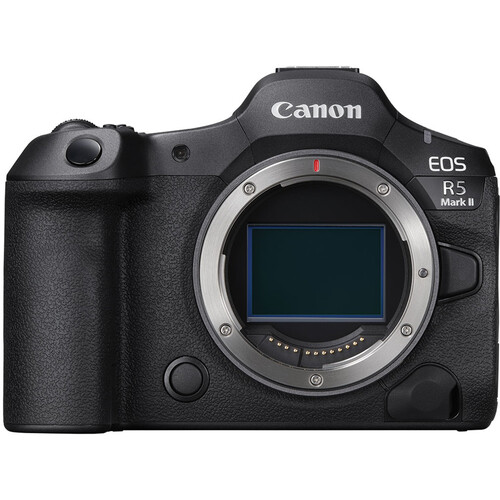
The Canon EOS R5 Mark II is my primary camera body and the one I rely on for the majority of my professional photography work.
Its 45-megapixel full-frame sensor is one of the biggest reasons I love it. The image quality gives me so much flexibility, whether I’m delivering files to a client, cropping into wildlife photographs, licensing images, or creating large prints for our own home, gifts for friends or family, or our print shop. I know I can rely on the files holding up beautifully at a large scale.
It can also shoot up to 30 frames per second with the electronic shutter, which is incredibly useful for wildlife and fast-moving moments where timing matters.
While I occasionally use the R5 Mark II for video, photography is absolutely my main focus with this camera. For video, I’m typically working alongside Chris and his more cinema-focused setup.
Another reason I’ve stayed loyal to Canon is reliability in the outdoors. My cameras get put through the test. I’ve photographed in rain, snow, humidity, dust, cold weather, boats, safari vehicles, and all kinds of unpredictable travel conditions. I’ve personally had excellent experiences with Canon bodies holding up in difficult environments, and that reliability means a lot when you’re thousands of miles from home and can’t simply replace a camera mid-assignment.
Key specs:
- 45MP full-frame stacked CMOS sensor
- Up to 30 fps electronic shutter
- 5-axis in-body image stabilization
- Dual Pixel autofocus
- 8K 60p RAW video
- 4K 120p video
- CFexpress Type B + UHS-II SD card slots
- Canon RF mount
Canon EOS R6
The Canon EOS R6 is my backup body and now mostly comes out for underwater photography with my AquaTech housing. It’s still a fantastic full-frame camera, especially for portraits, and a great option if you don’t need the larger files or higher resolution of the R5 series.
Key specs:
- 20.1MP full-frame CMOS sensor
- DIGIC X processor
- Dual Pixel autofocus
- 5-axis in-body image stabilization
- Up to 20 fps electronic shutter
- 4K video
- Dual UHS-II SD card slots
- Canon RF mount
Canon EOS R5 C
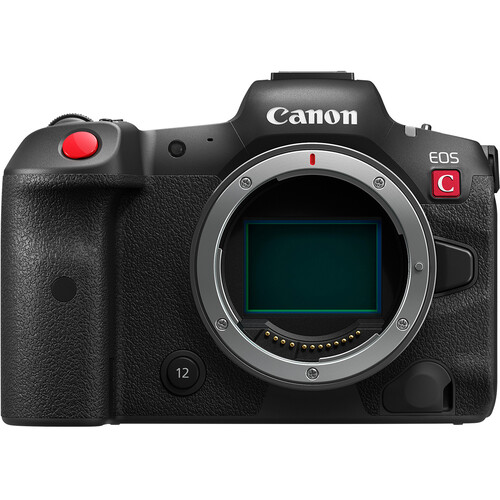
The Canon EOS R5 C is the primary camera for cinematography and video work.
The built-in cooling fan is another major advantage. Video work can be demanding, especially when shooting high-resolution footage for long periods of time, and the active cooling system makes the R5 C much better suited for extended filming than a traditional hybrid camera.
It also shoots 8K RAW internally, which gives us a huge amount of flexibility in post-production.
For photographers who primarily shoot stills, I’d personally lean toward the R5 Mark II. But if your work heavily revolves around professional video and cinematography while still wanting strong photo capability, the R5 C is an extremely capable option.
Key specs:
- 45MP full-frame CMOS sensor
- 8K 60p internal RAW video
- Cinema RAW Light
- Canon Log 3
- Dedicated photo and cinema modes
- Built-in active cooling fan
- Dual Pixel autofocus
- CFexpress Type B + UHS-II SD card slots
- Canon RF mount
OM SYSTEM OM-1 Mark II Mirrorless Camera
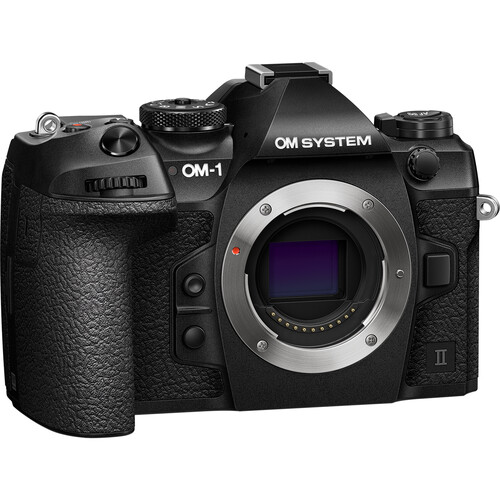
Chris and I both use the OM SYSTEM OM-1 Mark II when we want a much lighter wildlife setup without sacrificing reach or reliability. It’s especially useful for safari and expedition work where every pound matters and baggage limits can be extremely strict.
The body is compact, weather-sealed, and built around a 20.4MP stacked Micro Four Thirds sensor with extremely fast burst shooting and strong stabilization. Paired with the 150–400mm below, it becomes one of the most practical wildlife setups I’ve found for travel.
Key specs:
- 20.4MP stacked BSI Live MOS sensor
- TruePic X processor
- Up to 120 fps electronic burst shooting
- 1,053-point cross-type phase-detect autofocus
- 5-axis image stabilization, up to 8.5 stops with compatible lenses
- Micro Four Thirds mount
- Magnesium-alloy body
- Weather-resistant construction
Lenses
Canon RF 24–105mm f/2.8 L IS USM Z
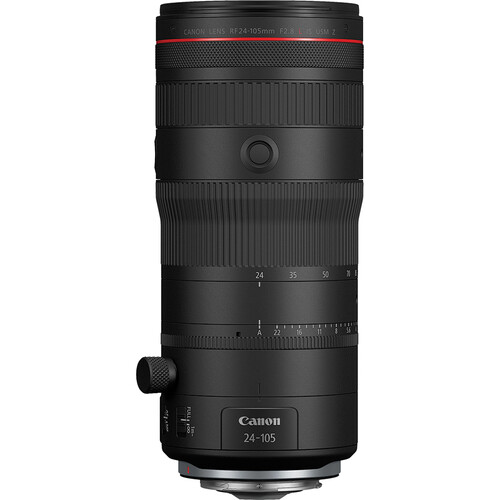
The Canon RF 24-105mm f/2.8L is probably my favorite lens in my entire kit. It’s incredibly versatile, and the extra reach beyond 70mm gives me more compression and flexibility than a standard 24–70mm. For a lot of travel assignments, it lets me move between wider environmental images, portraits, details, and more compressed scenes without constantly changing lenses.
The tradeoff is weight. It’s heavy, almost in 70–200mm territory, so I don’t bring it on every single trip. But when baggage limits aren’t extremely tight, this is one of the first lenses I reach for.
Canon RF 100–500mm f/4.5–7.1 L IS USM
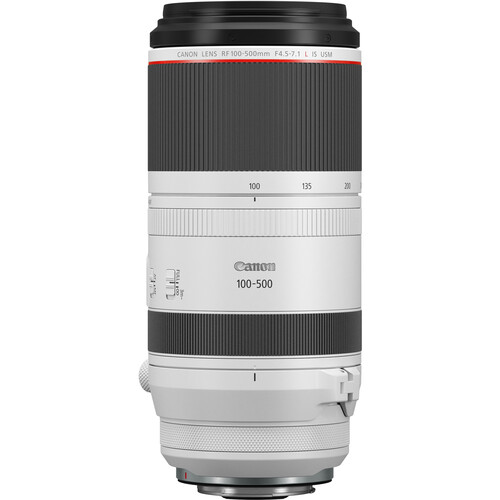
The Canon RF 100-500mm one of my bread-and-butter lenses. I use it constantly for wildlife, birds, and dramatic compressed landscapes, and I love the way a longer focal length can completely change how a scene feels.
Paired with the 24–105mm f/2.8, I honestly feel like these two lenses alone can cover a huge percentage of my travel photography projects.
OM SYSTEM M.Zuiko Digital ED 150–400mm f/4.5 TC1.25x IS PRO
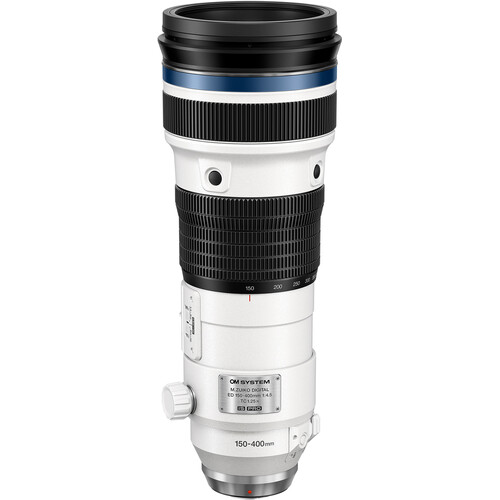
This is one of the most versatile and lightweight wildlife setups I’ve found, especially for safari where every pound matters and you’re often working within very strict baggage limits.
The 150–400mm range gives you a 300–800mm full-frame equivalent field of view, and the built-in 1.25x teleconverter extends that reach to the equivalent of 1000mm without needing to swap lenses or add another piece of gear. At just over 4 pounds, it gives me an incredible amount of reach for its size, which is exactly why I love it for wildlife-heavy trips.
Canon RF 24–70mm f/2.8 L IS USM
The 24–70mm is the lens I bring when the 24–105mm simply feels too heavy or unnecessary. It’s especially useful for expeditions, safari trips, sea planes, and remote wilderness lodges where strict baggage limits matter.
It still gives me the versatility I need for landscapes, portraits, hotels, and general travel photography, without taking up quite as much space or weight in my kit.
Canon RF 70–200mm f/2.8 L IS USM Z Lens
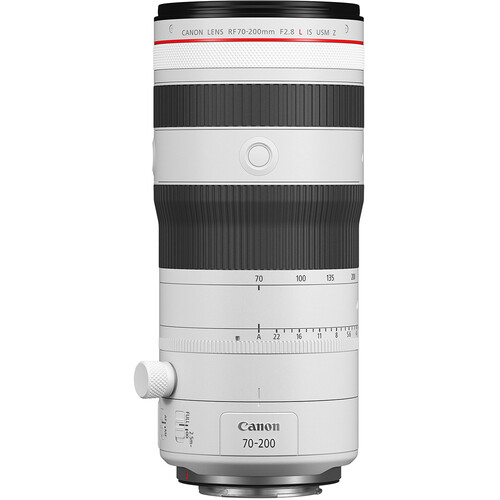
The Canon RF 70–200mm f/2.8 is still one of my favorite lenses for portraits, and I use it often for the occasional elopements we still photograph throughout the year.
We also gets a ton of use out of it for cinematography. The focal range is incredibly versatile for details, food, people, and layered scenes in the field, and the compression is beautiful.
One of my favorite things about this version is the internal zoom design. The lens doesn’t telescope in and out as you change focal lengths, which makes it feel more balanced, compact, and practical to work with in the field. Even with the 100–500mm in our kit, the 70–200mm still has a very different role.
Canon RF 15–35mm f/2.8 L IS USM
Shop the Canon RF 15–35mm f/2.8 L IS USM at B&H
This is my go-to when I need a truly wide perspective. I use it for dramatic landscapes, Milky Way photography, meteor showers, and huge open environments like African savannahs.
It’s equally useful indoors. For hotel photography and production work, having 15mm available makes a huge difference when I’m trying to photograph smaller rooms or spaces that would otherwise be difficult to capture.
Canon RF 35mm f/1.4
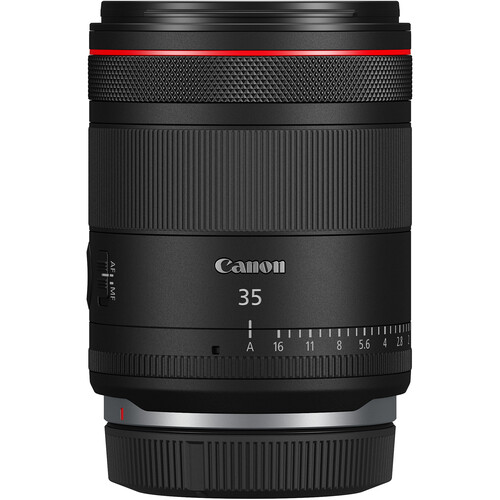
I love having a prime lens available for portraits and more intentional travel photography. The 35mm gives me a natural perspective that works especially well for environmental portraits, people, and storytelling moments where I want a little more context around the subject.
Canon RF 85mm f/1.2 L USM
Shop the Canon RF 85mm f/1.2 L USM at B&H
The 85mm is one of my favorites for portraits, compressed detail moments, and situations where I want more separation between the subject and background.
It’s not always the first lens I pack for a lightweight trip, but when portraits are a major part of the project, I love having it with me.
DJI Drones
DJI Mavic 4 Pro Fly More Combo
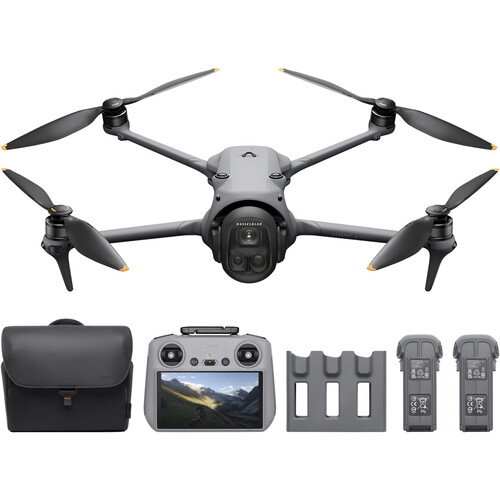
The DJI Mavic 4 Pro is our main drone for professional travel work when image quality is the priority. It gives us the flexibility to capture wide establishing shots, tighter aerial perspectives, and cinematic video without needing multiple aircraft.
For larger productions, remote landscapes, luxury hotel projects, and destinations where aerial imagery is a major part of the story, this is the drone we rely on most. The Fly More Combo is also worth it for us because extra batteries and charging flexibility matter constantly when we’re shooting away from power for long stretches.
DJI Mini 5 Pro
Shop the DJI Mini 5 Pro at B&H
The Mini 5 Pro is the better option when portability matters more than having the absolute highest-end setup. Its smaller size makes it easier to pack for trips with strict baggage limits, remote transfers, expeditions, or days where we simply don’t want to carry a larger drone kit.
It’s especially useful when traveling light but still wanting strong aerial photo and video capabilities.
Camera Bags
WANDRD PRVKE 31L
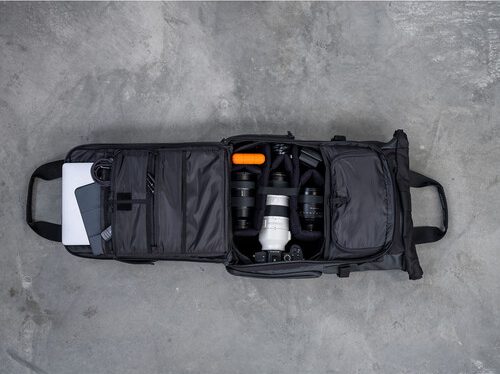
The WANDRD PRVKE 31L is hands down the best camera backpack I’ve found for the way I travel and work.
The camera cube system keeps everything incredibly organized, which matters when I’m moving quickly between lenses, batteries, drone gear, and accessories. I also love the roll-top section because it gives me extra space for clothing, another layer, snacks, or whatever else gets added to the kit at the last minute.
It’s one of those bags that feels like it was designed for people who actually travel with a lot of gear, rather than just carrying a camera around town.
WANDRD PRVKE 21L
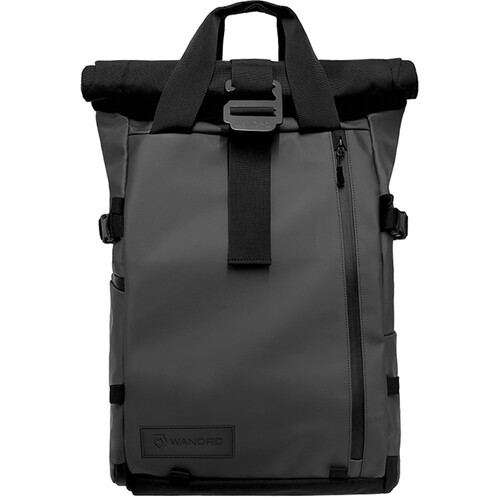
The WANDRD PRVKE 21L is essentially my smaller, lighter version of the same setup.
I reach for this one on shorter trips, day projects, or assignments where I know I don’t need the full production kit. It still keeps everything organized, but it’s much easier to carry when I’m trying to keep things simple.
WANDRD ROGUE Sling
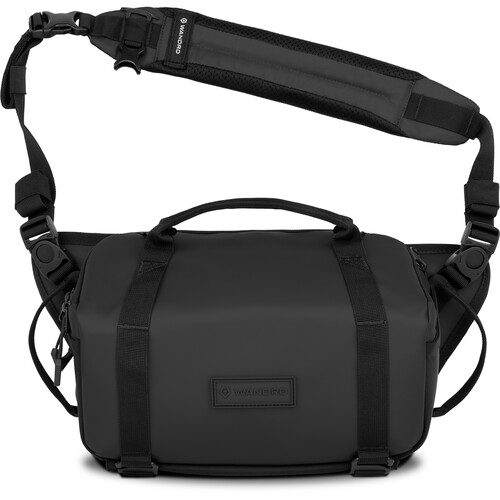
I love the WANDRD ROGUE Sling for days when I’m constantly moving and swapping lenses.
I can keep an extra lens or two tucked inside and have them immediately accessible without taking off my full backpack every time. It’s especially useful on expeditions, wildlife trips, or any project where I’m walking around for hours and want gear within reach.
Pelican Cases
For more demanding productions or situations where our gear needs extra protection, we use Pelican cases in a few different sizes.
They’re not something I bring on every trip, but when we’re traveling with more equipment, checking specialized gear, or working in rougher conditions, having a hard case gives me a lot more peace of mind.
Tripods + Filters
Manfrotto MK055XPRO3-3W Aluminum Tripod
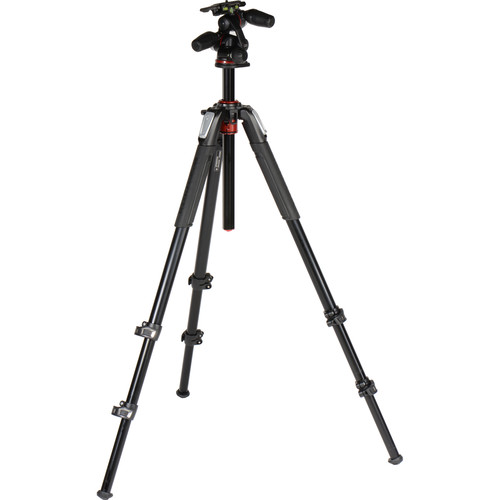
This is the heavier-duty tripod in our kit. It’s sturdy, reliable, and useful when stability matters more than keeping weight to an absolute minimum. I reach for this setup for longer exposures, landscapes, and situations where I want a really solid base.
Manfrotto 290 Xtra Aluminum Tripod
This is the lighter tripod of the two setups we use. It’s still substantial enough to feel secure with professional camera gear, but a little more practical when we want something easier to travel with.
I wouldn’t call it ultralight, but it’s a good middle ground when you want stability without carrying the heaviest tripod in the kit.
PolarPro QuartzLine Circular Polarizer Filter

A circular polarizer is one of the filters I actually find useful for travel photography, especially around water, reflections, and bright outdoor scenes.
Just make sure you buy the correct filter-thread size for the specific lens you want to use it on.
PolarPro Peter McKinnon Signature Edition II Variable ND Filter
I use this VND filter primarily for cinematic B-roll when I want more control over shutter speed in bright conditions.
For photography, it also comes in handy when I want to slow the shutter down for movement in waterfalls, rivers, or ocean scenes without completely blowing out the exposure. I always pick a VND filter over a regular ND filter, as it’s much more versatile and helps slim the camera bag down vs carrying two or more.
Memory Cards
Lexar 256GB Professional DIAMOND CFexpress 4.0 Type B Memory Card
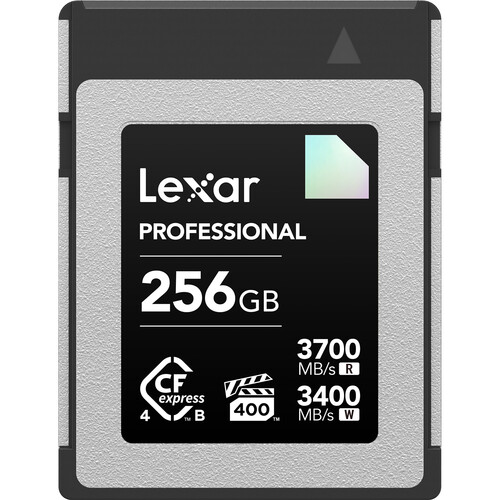
This is Lexar 256GB card is the one I rely on when I’m shooting fast bursts, wildlife, or anything where the camera needs to keep up without slowing me down. The read and write speeds are fast enough for continuous shooting, and I like 256GB as a sweet spot where I have plenty of space without putting an entire trip on one card.
ProGrade Digital 256GB Gold UHS-II SDXC Memory Card — 2-Pack
Shop the ProGrade Digital 256GB Gold UHS-II SDXC 2-Pack at B&H
These are the SD cards I keep in rotation for general photography, backup recording, and everyday travel work.
I prefer carrying multiple reliable cards rather than relying on one massive card for everything. If something ever goes wrong, I’d much rather lose part of a shoot than an entire trip.
Small Camera Accessories I Always Travel With
These are the less glamorous pieces of gear that still end up in my bag on almost every trip. They’re simple, practical, and make working on the road much easier.
Peak Design Slide / Slide Lite Camera Strap
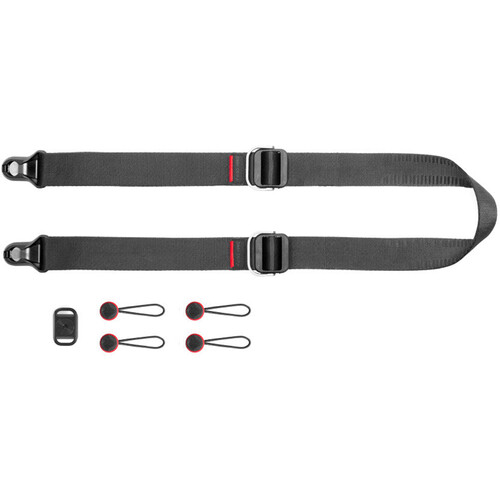
I’ve used Peak Design camera straps for years because they’re comfortable, secure, and easy to adjust quickly while shooting. I especially like being able to change how I’m carrying the camera throughout the day without dealing with a bulky traditional strap.
Card Reader
A fast, reliable card reader is essential when I’m traveling and backing up large shoots at the end of the day. This is one of those small pieces of gear that permanently lives in my tech kit.
Rocket Blower + Microfiber Cloth
Dust somehow gets everywhere when I’m constantly changing lenses outdoors. A rocket blower is one of the easiest ways to quickly clean things up without touching the sensor or glass, and I like that this one also comes with a microfiber cloth.
Lens Cleaning Wipes
These lens cleaning wipes are always useful for salt spray, fingerprints, rain, dust, and general travel grime. I especially rely on them when we’re shooting around beaches, boats, or in dusty outdoor environments.
External SSD
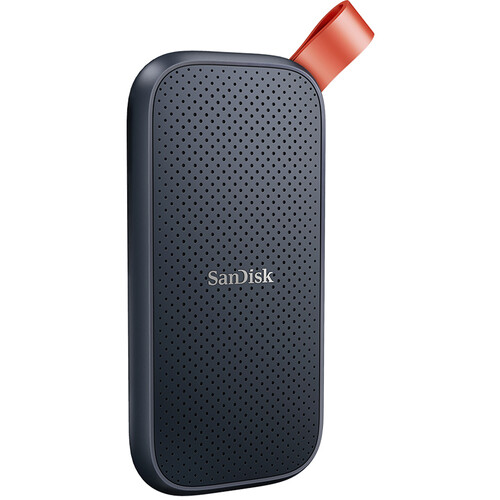
Backing up files while traveling is non-negotiable for me. We keep external SSDs with us so we aren’t relying solely on memory cards, especially during longer assignments with a huge volume of photo and video files.
Memory Card Case
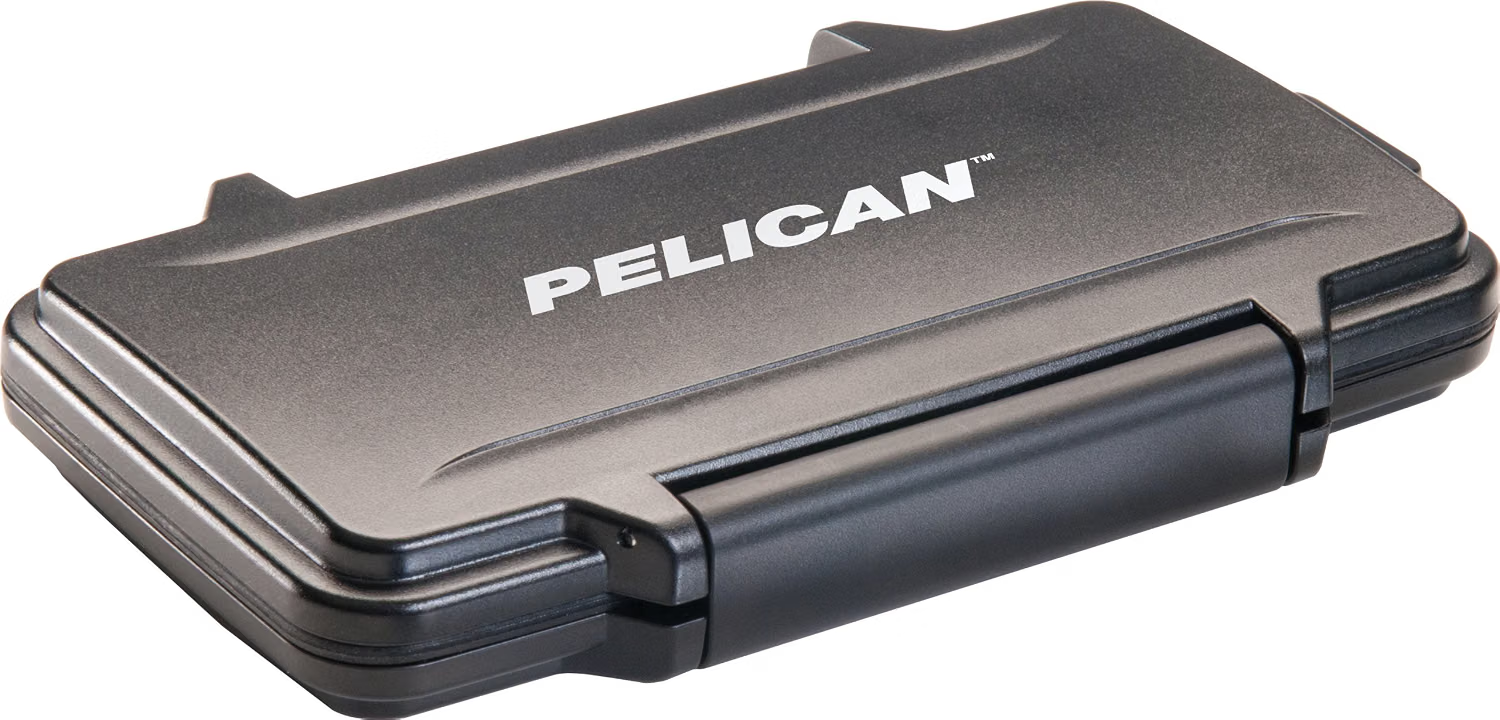
This memory card case keeps all of my cards organized, protected, and easy to track. I like having one place for empty and used cards rather than letting them disappear into random camera bag pockets. The best part is the weather sealing, Pelican makes incredible products that are always worth the investment in my opinion.
Underwater Photography Gear
AquaTech Underwater Housing for Canon EOS R6
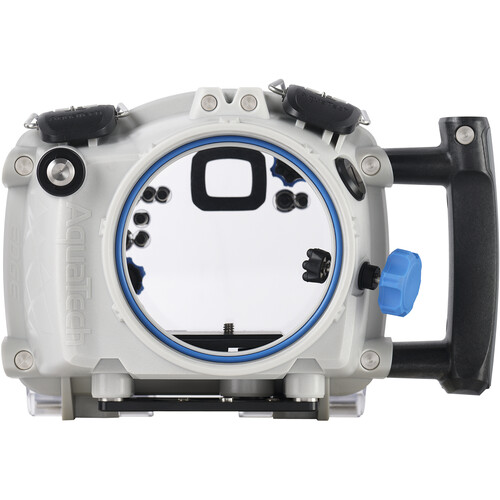
Underwater photography has become one of my favorite ways to get more creative while traveling. I use this housing for freediving, photographing surfers, and shooting in everything from the ocean to alpine lakes and rivers.
Having an underwater photography housing that is reliable and, in my opinion, the best on the market provides me with so much peace of mind every time I jump in the water.
Over the years, I’ve also loved finding less obvious ways to use it, like photographing fly fishing or creating split-level water images. It completely changes the perspective of a place and lets me tell a story from an angle I otherwise couldn’t access.
Final Thoughts
Your camera bag should ultimately reflect the way you actually shoot. I’ve built this setup over years of travel assignments, outdoor work, wildlife photography, hotel productions, and personal projects, and I’m constantly adjusting what I bring depending on the trip.
I’ll keep updating this guide as my gear changes, but everything listed here is equipment I genuinely use and would recommend based on real-world experience.